

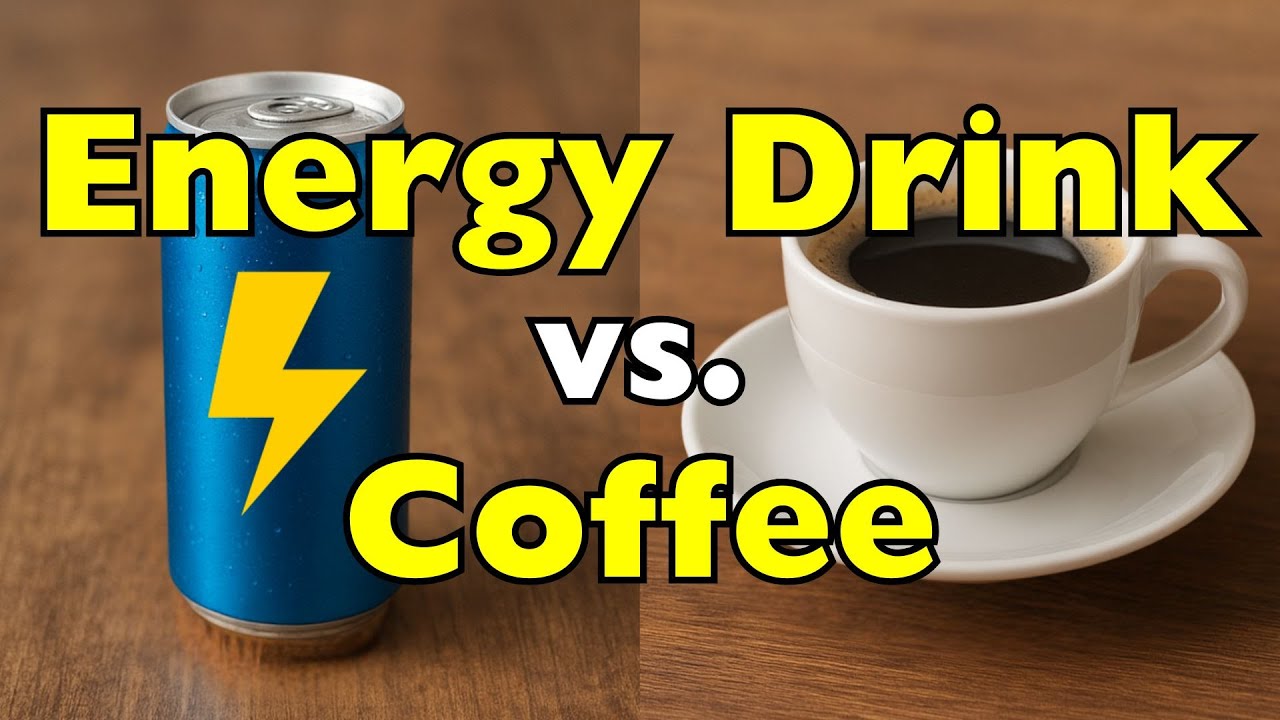
Energy Drinks vs. Coffee: Which One Gives You More Energy? ⚡☕
 By
By
When you’re tired and need a quick boost, two popular choices usually come to mind: coffee and energy drinks. Both beverages are designed to increase alertness and fight fatigue, mainly because they contain caffeine, a stimulant that blocks adenosine—a brain chemical that signals tiredness. By blocking this signal, caffeine temporarily increases alertness, focus, and reaction time. However, while coffee and energy drinks can both help you feel more energized, they affect the body in slightly different ways.
One major difference between the two is caffeine content and serving size. A typical cup of coffee can contain around 95–200 milligrams of caffeine, depending on the brewing method. Energy drinks vary widely but often contain 40–250 milligrams per can, and some larger cans may contain even more. This means certain energy drinks may deliver as much—or sometimes more—caffeine than coffee in a single serving. However, experts recommend limiting total caffeine intake to about 400 mg per day for healthy adults to avoid side effects like insomnia, anxiety, or heart palpitations.
Despite similar caffeine levels, the type of energy boost you get from each drink can differ. Coffee typically provides a steadier and longer-lasting boost, because its caffeine is absorbed more gradually by the body. In contrast, many energy drinks contain added sugars and stimulants that may create a fast spike in energy followed by a crash once blood sugar levels drop. This roller-coaster effect is one reason some people feel tired again soon after drinking an energy drink.
Another important factor is ingredients. Coffee is relatively simple—it’s usually just water and roasted coffee beans, which also provide antioxidants that may support heart and brain health. Energy drinks, however, often contain additional ingredients like taurine, guarana, B vitamins, and artificial flavorings. While some of these compounds are generally safe, combining multiple stimulants can increase the risk of jitteriness, sleep disruption, or other side effects when consumed in large amounts.
So which drink gives you more energy? The answer depends on what kind of boost you want. Energy drinks may provide a quick burst of energy, especially if they contain sugar and high caffeine levels. Coffee, on the other hand, tends to offer a more stable and sustainable energy boost without the added sugar or artificial ingredients. For everyday use, many nutrition experts consider unsweetened coffee the healthier and more reliable choice, as long as it’s consumed in moderation.
Bottom line: Both coffee and energy drinks can increase alertness thanks to caffeine, but coffee usually delivers a steadier energy boost with fewer additives. If you’re looking for a simple and healthier daily pick-me-up, a classic cup of coffee may be the smarter choice.