
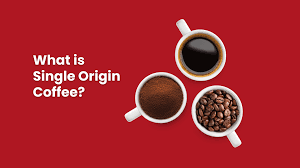
What is single-origin coffee?
 By
By
It's pretty straightforward; single-origin coffee comes from a single producer, crop, or region in one country.
"Single-origins highlight the terroir of a specific place — so how the coffee tastes in that place," says Jeremy Brooks, head of sourcing and green coffee buying at Verve Coffee Roasters.
"Single-origins are typically very expressive of the country where they're purchased from. [Anecdotally], Ethiopian single-origin coffee is like eating a peach. Whereas with blends, we can play around and position them in a way that actually gives you a little bit more of a dynamic range: Instead of having a peach, you have a peach cobbler."
Most blends contain beans from several origins, and the art comes comes from how a coffee roaster can build a flavor profile within a cup of brewed coffee by mixing and matching several different origins. "We're taking coffees that maybe have one attribute of chocolate or plum, and then you're building something to bring a coffee to a customer that would allow them to experience it in a certain way," Brooks explained.
There's still debate among professionals as to which option they prefer or think is better. "I think there is a time and place for everything," Brooks said. "Early on in my coffee career, I was a die-hard single-origin maker. I would only drink single-origins. As I developed my coffee career and I've also become closer to the sourcing and roasting side, I now understand the value in both. They both play an important role in sourcing and the supply-chain side of supporting farmers and kind of what you want to taste. Like anything in your life, it depends on your mood."
"Blends are a way that roasters communicate a vibe or something about themselves, something signature," Talitha Clemons, owner of the Oklahoma City-based mobile coffee company Bright Vibe Coffee and a coffee taster competitor, told HuffPost in a recent article. "Maybe [roasters] want to create something that will remind folks of time around a fire or of holidays. When you taste a blend called Fireside, Sweater Weather, or Tropical Weather, you are in a frame of mind to let that coffee take you to a place or a moment or memory, rather than focusing so much on given tasting notes. What is difficult for me is that a blend can contain multiple coffees, and you may get some information about the regions the coffee comes from, but the level of transparency changes."
While both single-origins and blends will appeal to different types of coffee drinkers, Brooks says that some people complain about how sour or acidy single-origins can taste. "It is a little bit more of a unique flavor profile that you have to grow to love," he said. "Sometimes people can take that as a negative. But, on the reverse, some people can say that blended coffees are boring, they don't have any flavor at all, that you have to put milk and sugar in them to make them taste good."
Brooks recommends preparing single-origins with paper filter pour-overs or a Chemex. As for blends, "If you're looking for something with more body and you're wanting the coffee to showcase a little bit more of that blend traditional flavor profile, using a drip pot or doing a French press is good with blends," he advised.
Single-origins tend to cost more than blends, and at the start of the pandemic, there was an increase in sales of single-origins. So perhaps home brewers are curious about specialty coffees. If you find yourself in a similar position, Brooks recommends that novices start with single-origins from Latin America, maybe Costa Rica or Colombia, with a mild taste. "They tend to be inherently sweet and approachable," he said. "As you progress, you can get into some of the more exotic profiles, getting into Africa, especially East Africa."
Whether you buy a single-origin or a blend, what's most important these days is supporting a company you can back. Brooks shared similar thoughts. "Whenever you're looking to buy coffee, you're looking at the underlying missions and values of the people who are buying the coffee and the coffee that you're drinking," he said. "If there's a coffee company that's buying amazing blends and they're paying their farmers really well, and they're making a blend, and that's your approach, I think as long as you're buying the coffee you know is supporting the long-term sustainability of the coffee industry as a whole, then you're doing your part. If some coffee companies are really doing that just through their single-origins, then I think you should buy single-origins. But if they're doing it through their entire buying philosophy, with their blends through their single-origins, I think it's perfectly fine to buy from either side."
The bottom line: Try something new once in awhile, and find something you can be passionate about.
At SunriseCoffeeLA, we want our customers to feel confident when they purchase and enjoy our coffee. We want to share our passion, and we hope that people will take the time to learn about this unique natural resource, how coffee is grown and processed, so that they can cultivate a genuine appreciation for coffee.