

How coffee waste could help Neuroscience
 By
By
If you need any more reasons to love coffee, we'll keep them coming!
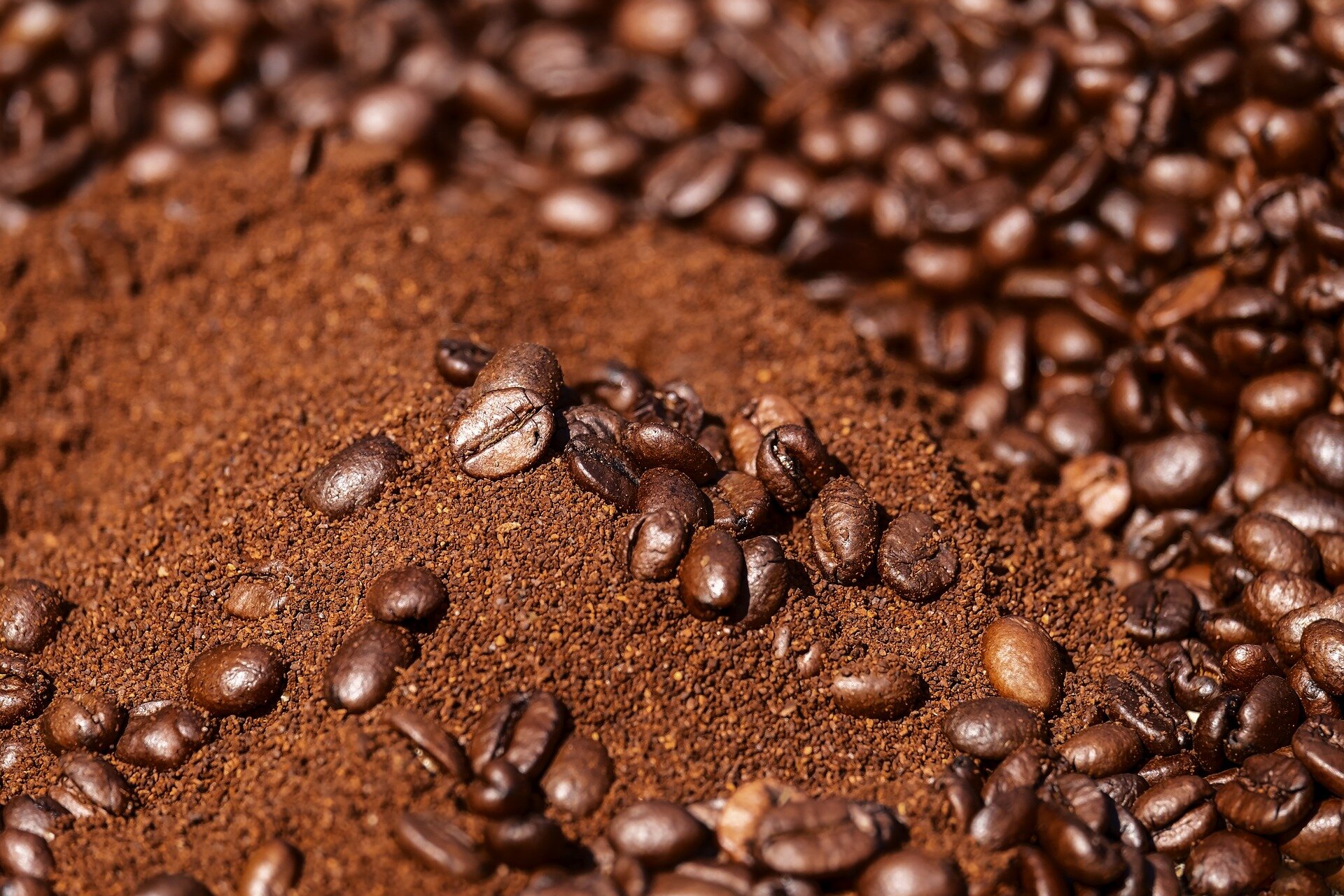
Researchers in New Delhi recently reported the first application of spent coffee grounds in electrochemistry and neuroscience. These discoveries add to the growing list of eco-friendly ways to reuse spent coffee grounds and keep them out of landfills.
According to Scientists from the American Chemical Society, coffee grounds can be used as environmentally-friendly electrode coatings for sensitive neurochemistry measurements. This discovery can help scientists better understand brain activity and detect minute neurotransmitters' levels and activity. In recent research, scientists from ACS stated that they are taking recycled coffee waste in a more biological direction. Their study demonstrated that electrodes coated with carbon from coffee waste could detect trace levels of biomolecules in vitro, which means outside the living body. A principal investigator of the study, Ashley Ross, claims that this is the first example of residual coffee grounds being repurposed for biosensing applications. Biosensing detects target molecules based on the principles used by a living system such as an immune system. Neuroscientists use traditional microelectrodes; these are made from carbon fibers, which are fine strands of solid carbon bundled together. However, making carbon fibers is tedious and expensive and involves several steps and harsh chemicals.
The statement from Ross recounts her aim to fabricate electrodes with carbon from coffee grounds. Spent coffee grounds would be a more inexpensive and environmentally friendly approach. The team used the coffee grounds as a coating for conventional electrodes as a first step toward realizing the goal. To accomplish this, one of the researchers took coffee grounds and heated them in a tube furnace at around 1,300 degrees Fahrenheit. They then added those coffee grounds to a potassium hydroxide solution to activate the carbon and open up holes in the structure. The team then removed undesired by-products by heating the mixture under nitrogen gas, leaving behind an inky slurry of porous carbon remains. The researchers then diluted the sludge with water. They then dipped the carbon fiber electrodes into it to coat it with a layer of porous carbon nearly a hundred times thinner than the diameter of a human hair.
The scientists used the electrodes to sense small quantities of dopamine and compared the performance of coated and uncoated electrodes. They found that electrodes coated with porous carbon had current oxidative levels three times higher than bare carbon fibers. According to ACS, this indicated that the coated electrode offered a more sensitive surface for dopamine detection. The coating increases the surface area, and the porous structure allows more dopamine molecules to participate in the reaction. Ross said that the system also momentarily traps dopamine molecules in the crevices of the electrode. The sensitivity of the electrochemical process increases due to these properties and produces faster measurements.
So what's next for the research team? They now aim to make carbon fiber electrodes entirely from this porous carbon made from waste coffee grounds. They hope this would give the electrodes uniform porosity on the surface and within. This could boost their neurochemical detection abilities with an even larger surface area to adsorb the dopamine molecules.
TL/DR: Smart people using waste product from coffee to improve health outcomes! We love it.
While this achievement is excellent news for neuroscience, the environment, and coffee lovers alike, you don't have to be a scientist to enjoy coffee's many benefits. And with SunriseCoffeeLA, we make sure it's a delicious cup of coffee you'll love every time.