

What Is Bulletproof Coffee, and Is It Healthy? Here’s What Experts Say
 By
By
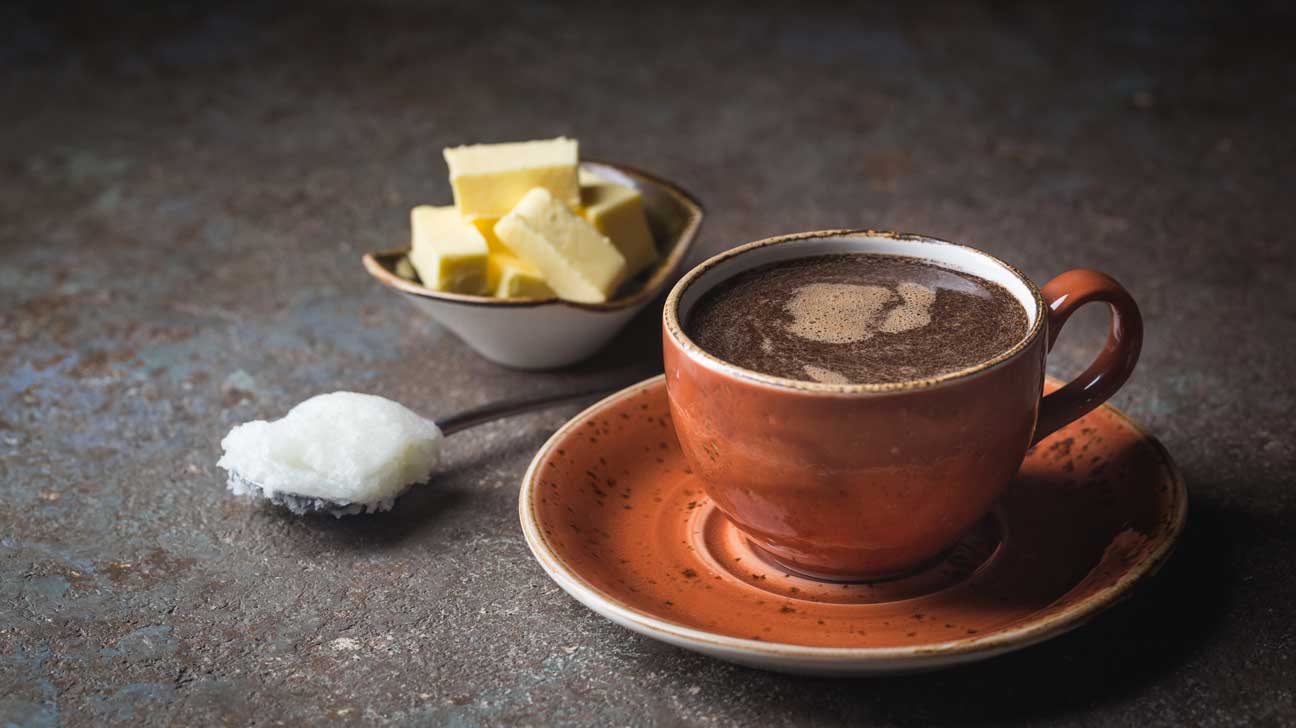
Bulletproof coffee has become a buzzword in wellness, keto, and intermittent-fasting communities — but what exactly is it, and does it really live up to the hype? At its core, bulletproof coffee is simply freshly brewed coffee blended with grass-fed butter (or ghee) and Medium-Chain Triglyceride (MCT) oil, creating a creamy, high-fat morning drink that many people use as a breakfast replacement or energy booster. This trend was popularized by biohacker Dave Asprey and has since spread widely among low-carb dieters.
Proponents of bulletproof coffee point to several perceived benefits. The combination of caffeine from coffee and fats from butter and MCT oil may provide a sustained energy boost and longer-lasting fullness compared with regular coffee alone. Some followers say it helps curb appetite, reduce mid-morning snacking, and even support fat burning — particularly for those on ketogenic diets, where fat is used as the primary fuel source. MCT oil in particular is metabolized differently from other fats, going straight to the liver and potentially converted into ketones, which some people use for energy during fasting.
However, it’s important to understand what scientific evidence actually supports. So far, research specifically on bulletproof coffee is extremely limited and does not strongly back most health claims. A review of available studies found no clear improvements in cognition, alertness, or fat-burning effects when bulletproof coffee was compared with regular coffee, and many purported benefits remain anecdotal rather than scientifically proven.
One of the biggest concerns nutrition experts raise is the very high calorie and saturated fat content of bulletproof coffee. A typical cup can contain 200–500+ calories and over 20 g of saturated fat, largely depending on the amount of butter and MCT oil added. This can easily exceed the daily recommended limit for saturated fat and may raise LDL (so-called “bad”) cholesterol in some individuals — especially if it replaces a balanced breakfast or is consumed frequently.
On the flip side, some dietitians and clinicians acknowledge that for certain people — like those on strict low-carb or intermittent-fasting regimes — bulletproof coffee might fit their dietary strategy and help with hunger management. It can deliver a slow, fat-based energy delivery that may prevent blood sugar spikes or crashes later in the morning. But experts also stress that replacing nutrient-rich foods such as protein, fiber, vitamins, and minerals with a high-fat coffee drink means missing out on essential nutrients that support overall health.
So, is bulletproof coffee healthy? The answer depends on your goals, existing diet, and health status. For most people, enjoying bulletproof coffee occasionally is unlikely to cause significant harm, but drinking it daily as a meal replacement — especially without a balanced diet — is not recommended. If you have high cholesterol, heart disease, diabetes, or digestive sensitivities, it’s wise to speak with a healthcare provider before making bulletproof coffee a regular habit. Traditional breakfasts with whole foods, lean proteins, and fiber remain a more evidence-backed way to support long-term health.