

The Footprint of Coffee: Understanding the Environmental Impact of Your Daily Cup
 By
By
Coffee is one of the most widely consumed beverages in the world, enjoyed by billions of people every day. However, behind every cup lies a complex global supply chain that carries a significant environmental footprint. From cultivation and processing to transportation and brewing, each stage contributes to the overall environmental impact of coffee. Understanding the footprint of coffee can help consumers and businesses make more sustainable choices.
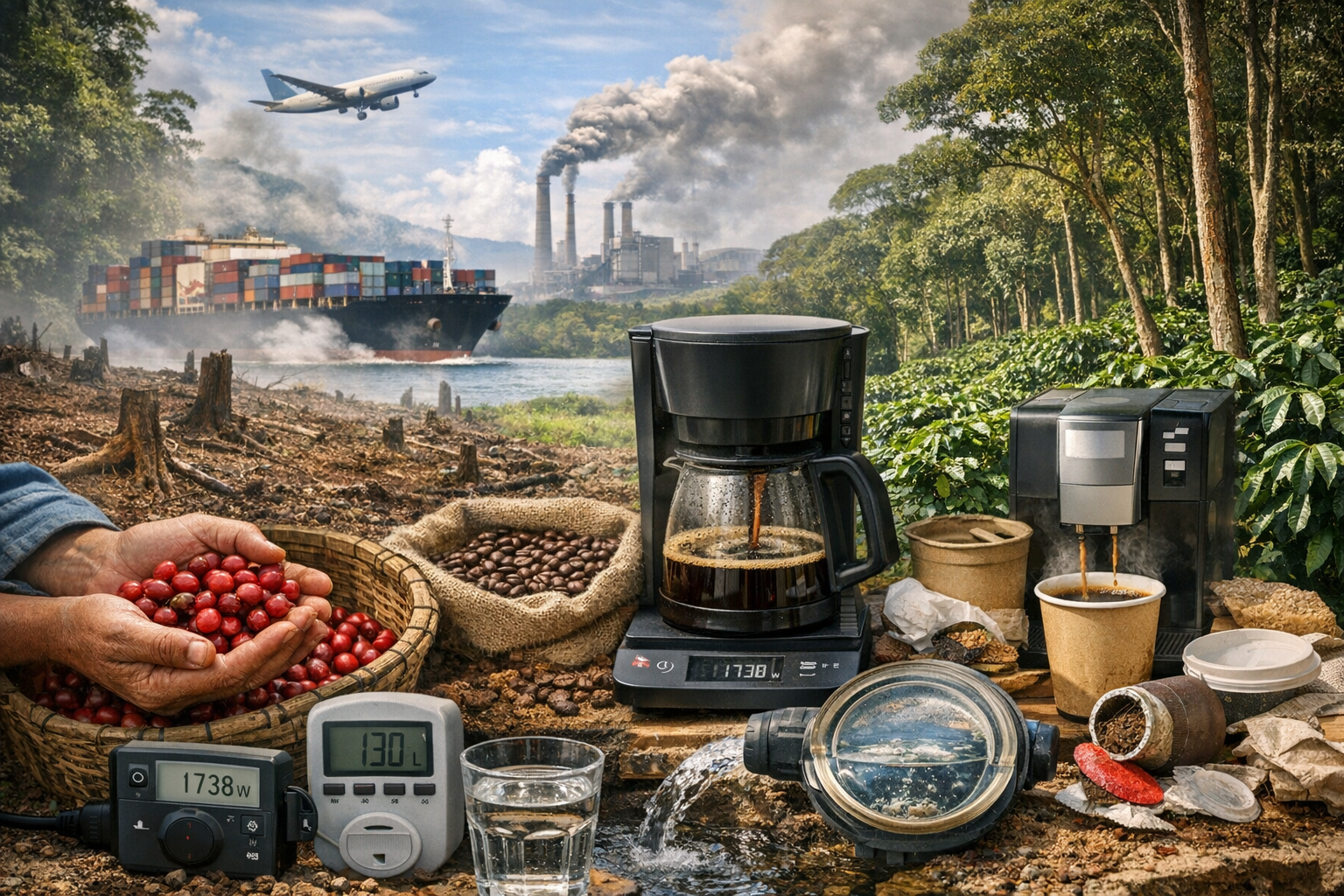
The largest share of coffee’s environmental footprint comes from coffee cultivation and farming practices. Research shows that producing one kilogram of coffee can generate anywhere between 0.27 and 15.33 kilograms of carbon dioxide, depending on the farming methods used. Factors such as fertilizer use, irrigation, and land-use change significantly influence these emissions. In fact, coffee cultivation alone can account for 40% to 80% of the total carbon emissions associated with coffee production.
Deforestation is another major environmental concern linked to coffee production. Expanding coffee plantations sometimes requires clearing forests, which reduces biodiversity and releases stored carbon into the atmosphere. Some studies estimate that coffee farming contributes to around 5% of global deforestation, threatening ecosystems and wildlife habitats. Sustainable alternatives like shade-grown coffee and agroforestry systems can help reduce this impact while improving soil health and biodiversity.
Beyond farming, coffee processing, transportation, and consumption also contribute to its environmental footprint. Brewing coffee at home, washing cups, and disposing of waste account for a surprisingly large share of emissions. Studies suggest that almost 30% of coffee’s climate impact occurs during the preparation and consumption stage, especially when excess coffee is brewed or energy-intensive appliances are used.
Water usage is another important factor in coffee’s footprint. Producing a single small cup of coffee can require over 130 liters of water when considering the entire production process—from growing coffee plants to processing beans and brewing the drink. This heavy water demand can strain resources in regions where water scarcity is already a major issue.
Despite these challenges, the coffee industry is increasingly moving toward sustainable solutions. Practices such as organic farming, regenerative agriculture, waste recycling, and carbon-neutral coffee production can significantly reduce environmental impact. For consumers, choosing sustainably sourced coffee, reducing waste, and brewing efficiently can make a meaningful difference. By understanding the footprint of coffee, we can enjoy our favorite beverage while supporting a more sustainable future for the planet. ☕????