

6 Quick Tips for Better Pour-Over Coffee
 By
By
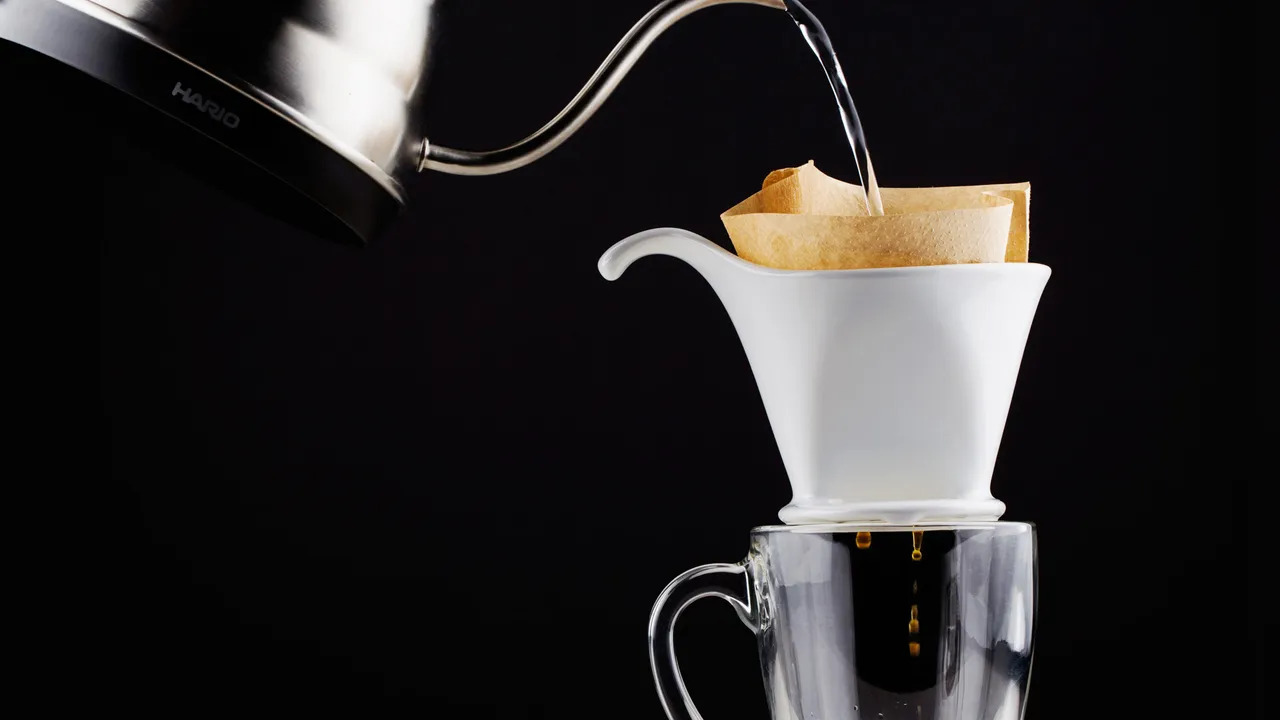
Pour-over coffee has become a favorite brewing method for coffee lovers because it offers full control over flavor, aroma, and strength. Unlike automatic coffee makers, the pour-over method allows you to adjust variables such as grind size, water temperature, and pouring technique to achieve a cleaner, more balanced cup. With a few simple improvements, anyone can significantly enhance their pour-over results at home. Below are six quick and practical tips to help you brew better pour-over coffee every time.
1. Use Freshly Roasted Coffee Beans
Freshness plays a crucial role in the flavor of your brew. Coffee beans release carbon dioxide after roasting, and fresh beans produce a better “bloom,” which helps water extract flavors evenly. Ideally, use beans that were roasted within the past 2–30 days to achieve optimal aroma and taste. Stale beans lose their gases and can lead to flat-tasting coffee.
2. Grind Your Coffee to the Right Size
Grind size directly affects extraction. For most pour-over brewers, a medium-fine grind (similar to table salt) works best. If the grind is too coarse, water flows through too quickly and results in weak coffee. If it is too fine, the brew can become bitter due to over-extraction. Adjusting the grind size is one of the easiest ways to dial in the perfect cup.
3. Master the Coffee Bloom
The bloom is the first stage of brewing when hot water hits the coffee grounds and releases trapped gases. To bloom properly, pour about twice the weight of the coffee in water and wait roughly 30–45 seconds before continuing the brew. This step allows gases to escape and ensures more even extraction during the main pour.
4. Use the Correct Water Temperature
Water temperature greatly influences flavor extraction. The ideal brewing range is 90–96°C (195–205°F). Water that is too hot can cause bitterness, while water that is too cool may produce sour or weak coffee. If you do not have a temperature-controlled kettle, simply let boiled water rest for about 30–45 seconds before pouring.
5. Pour Slowly and Evenly
Pouring technique is essential for even saturation. Start pouring in the center of the coffee bed and move in gentle circular motions outward. A slow, steady pour prevents channeling (when water flows through only certain paths), helping extract balanced flavors from all the grounds.
6. Maintain the Right Brew Ratio and Time
A good starting point for pour-over coffee is a 1:16 coffee-to-water ratio, meaning 1 gram of coffee for every 16 grams of water. The total brewing time should typically fall between 3–4 minutes. If the brew finishes too quickly, grind finer; if it takes too long, grind slightly coarser.
Conclusion
Improving your pour-over coffee does not require expensive equipment—just a few small adjustments. By using fresh beans, dialing in the grind size, mastering the bloom, controlling water temperature, pouring carefully, and maintaining the right ratio, you can consistently brew café-quality coffee at home. With practice and experimentation, these six tips will help you unlock richer flavors and enjoy a perfect cup every morning.