

Tips for Dialling in Coffee at Home
 By
By
Dialling in coffee is the process of adjusting brewing variables until your coffee tastes balanced, smooth, and flavorful. Professional baristas do this daily to get the best flavor from each batch of beans, but home brewers can easily apply the same principles. By tweaking factors like grind size, coffee-to-water ratio, and brewing time, you can transform an average cup into café-quality coffee. The key is understanding how each variable affects extraction and making small, controlled adjustments.
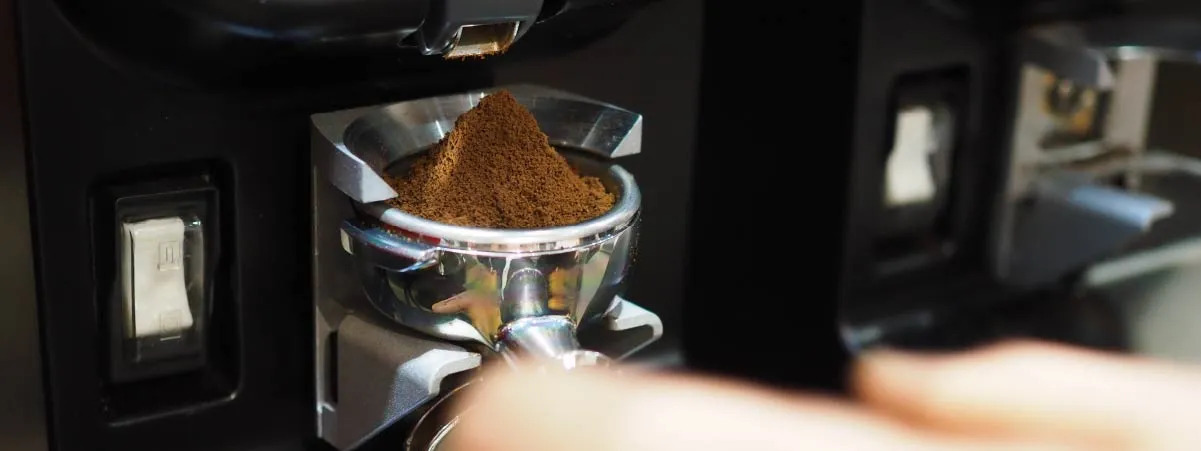
One of the most important steps when dialling in coffee is choosing the correct grind size. Grind size controls how quickly water passes through the coffee grounds and how much flavor is extracted. If the grind is too coarse, water flows too quickly and the coffee tastes sour or weak due to under-extraction. On the other hand, if the grind is too fine, extraction becomes too slow and the result can taste bitter or harsh. Using a burr grinder can help maintain a consistent grind and improve overall flavor balance.
Another essential factor is maintaining the right coffee-to-water ratio. This ratio determines how strong or concentrated your brew will be. A common starting point for many brewing methods is about 1:16 (one gram of coffee for every 16 grams of water). Once the coffee tastes balanced, you can adjust the ratio slightly to suit your preference—using more coffee for a stronger cup or more water for a lighter brew.
Brew time and water temperature also play a major role in dialing in coffee. Most brewing methods perform best with water around 195–205°F (90–96°C), which extracts flavor compounds efficiently without causing bitterness. Brew time acts as a diagnostic tool: if coffee brews too quickly and tastes sour, it may need a finer grind; if it takes too long and tastes bitter, a coarser grind may help. Monitoring these factors ensures consistent results with every cup.
Consistency is equally important when dialing in coffee at home. Start with a clear baseline—keeping the same beans, water temperature, ratio, and brewing method each time. Then adjust only one variable at a time, usually grind size, so you can clearly see how the change affects the flavor. This step-by-step approach makes it easier to identify the sweet spot where acidity, sweetness, and bitterness are balanced.
In the end, dialing in coffee is both a science and a personal experience. Taste your coffee carefully and make small adjustments until you find the flavor profile you enjoy most. With practice and patience, home brewers can consistently produce rich, balanced coffee that rivals what you’d find in a professional café.