

Why the Material, Shape, and Color of Your Coffee Cup Influence How Coffee Tastes
 By
By
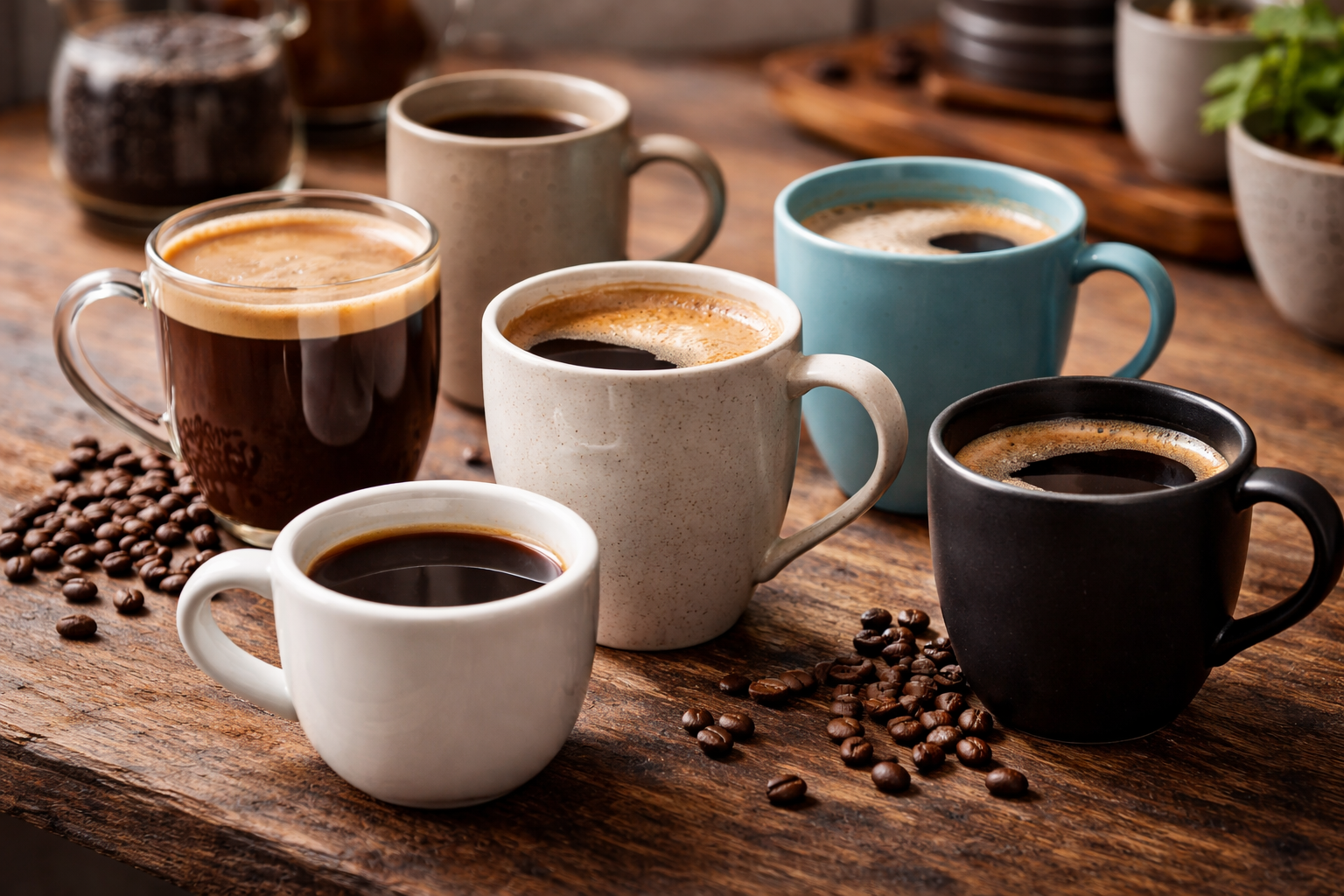
Coffee lovers often focus on beans, roast levels, and brewing methods, but an often-overlooked factor is the cup itself. Scientific research shows that the material, shape, and color of the cup you drink from can influence how you perceive coffee’s flavor, aroma, and overall enjoyment. This happens because flavor perception is not just about taste—it’s a multisensory experience that combines smell, sight, touch, and psychological expectations.
The material of the cup can subtly affect coffee’s flavor and temperature. Materials like ceramic and glass are considered neutral because they generally do not react with coffee’s flavor compounds, allowing the beverage’s natural taste to shine through. In contrast, certain metals or plastics may alter the drinking experience by introducing slight flavors or absorbing aromas over time. The material also influences heat retention, which affects how quickly coffee cools—and temperature changes can alter how strongly we perceive sweetness, bitterness, and acidity.
The shape of the cup also plays a major role in flavor perception, particularly through aroma concentration. Studies involving specialty coffee drinkers found that different cup shapes can change how people rate attributes such as sweetness, acidity, aroma intensity, and overall liking. For example, tulip-shaped cups tend to concentrate aromas, making coffee smell stronger, while wider cups allow aromas to disperse more quickly. Since aroma is responsible for a large part of flavor perception, even small design changes can influence how the coffee tastes to the drinker.
Color is another surprisingly powerful factor. Research shows that the color of the mug can change expectations and perceived taste. For instance, coffee served in a white cup may appear darker and therefore be perceived as more bitter, while coffee in a blue mug can seem sweeter. This occurs because the human brain forms associations between colors and flavors before the drink is even tasted, influencing how the flavor is interpreted once it reaches the palate.
Ultimately, the influence of cup material, shape, and color highlights the concept of multisensory perception in food and beverages. The visual appearance, tactile feel, and aroma delivery all combine to shape our expectations and experiences of flavor. Even though the coffee itself remains unchanged, the vessel can significantly alter how we perceive its sweetness, bitterness, acidity, and aroma.
In conclusion, the cup you choose for your coffee is more than just a container—it is an essential part of the tasting experience. By selecting the right material, shape, and color, coffee enthusiasts and café owners can subtly enhance the sensory qualities of coffee, making each cup more enjoyable and memorable.