

How a Crisis in Costa Rica Gave the World Honey-Processed Coffee
 By
By
Honey-processed coffee is now one of the most popular processing styles in the specialty coffee world, known for its sweetness, balanced body, and complex flavors. However, this innovative method was not created purely for experimentation—it was born out of necessity. In the late 2000s, a major environmental crisis in Costa Rica forced coffee producers to rethink traditional processing techniques, ultimately giving rise to what we now call the honey process.
For decades, Costa Rica was famous for producing high-quality washed coffees, a method that uses large amounts of water to remove the sticky mucilage layer surrounding coffee beans after harvesting. But in 2008, a powerful earthquake caused severe water shortages across parts of the country, prompting strict water-conservation rules from the government. These restrictions made traditional washed processing difficult for many farmers, pushing them to search for new ways to process coffee with far less water.
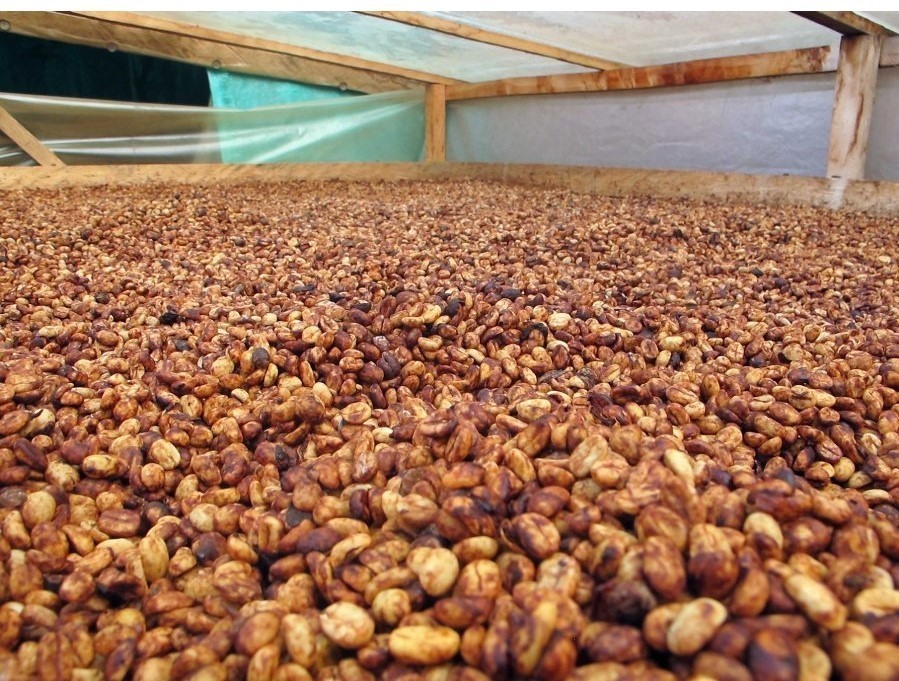
To adapt, innovative producers began experimenting with techniques inspired by Brazil’s pulped natural process, which requires less water. Instead of washing away the mucilage completely, farmers removed the outer skin of the coffee cherry and allowed the beans to dry with some of the sticky, sugar-rich mucilage still attached. During drying, these natural sugars interact with the beans, creating a sweeter and more complex flavor profile. Because the drying mucilage becomes sticky like syrup, locals began calling it the “miel” or honey process.
What began as a survival strategy quickly turned into a breakthrough in coffee processing. Specialty coffee buyers soon noticed the distinctive taste of honey-processed coffees, which often feature enhanced sweetness, fuller body, and balanced acidity compared to traditional washed coffees. Producers further refined the method by adjusting how much mucilage remains on the beans during drying, leading to variations such as white, yellow, red, and black honey processes, each producing unique flavor characteristics.
As word spread through the specialty coffee industry, honey-processed coffee gained global recognition. Coffee competitions, specialty roasters, and international buyers began seeking out Costa Rican honey-processed microlots, helping farmers achieve higher prices and greater recognition for their innovative work. Today, the honey process is considered one of the three major coffee processing methods, alongside washed and natural processing.
The story of honey-processed coffee is a powerful example of how crisis can drive innovation. Faced with environmental challenges and water scarcity, Costa Rican coffee farmers transformed a problem into a global coffee trend. What started as a practical solution to save water has become a celebrated processing method that continues to shape the flavors and creativity of the specialty coffee industry worldwide.