

What Is Natural Process Coffee? A Clear Guide to Natural Coffee Processing
 By
By
Natural process coffee—also known as dry process coffee—is one of the oldest and most traditional methods used to process coffee beans after harvesting. In this method, freshly picked coffee cherries are dried with the fruit still intact around the bean, rather than removing the pulp immediately. As the cherries dry under the sun, the sugars and compounds from the fruit slowly seep into the bean, giving natural coffee its distinctive sweetness and fruity flavor profile.
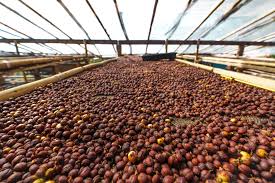
The process begins with careful harvesting and sorting of ripe coffee cherries. Farmers select the best cherries and spread them out in thin layers on patios, raised drying beds, or drying tables. During this stage, the cherries remain whole, meaning the skin, pulp, and mucilage all stay attached to the bean. Over several weeks of sun-drying, the fruit gradually shrinks and ferments slightly, allowing the bean inside to absorb natural sugars and flavors from the surrounding fruit.
Drying is the most important stage of natural coffee processing. The cherries are turned regularly to ensure even drying and to prevent mold or over-fermentation. Depending on climate conditions such as humidity and temperature, this stage typically lasts two to four weeks, until the cherries reach a stable moisture level of around 10–12%. Once dried, the hardened fruit is removed in a process called dry milling or hulling, revealing the green coffee beans inside.
One reason natural process coffee is highly valued is its unique flavor profile. Because the beans stay in contact with the fruit for an extended period, the resulting coffee often has bold, fruit-forward characteristics with notes of berries, tropical fruit, or wine-like sweetness. Natural coffees also tend to have a heavier body and more intense sweetness compared to washed coffees, making them popular among specialty coffee enthusiasts.
Another advantage of the natural process is that it requires far less water than washed processing methods, making it more sustainable in regions where water resources are limited. However, it is also considered riskier for farmers because the cherries are exposed to environmental conditions during drying. If not carefully monitored, uneven drying or excess moisture can lead to defects or mold in the final beans.
In simple terms, natural process coffee is all about letting nature shape the flavor. By drying the coffee cherry whole and allowing natural fermentation to occur, this method produces coffees that are rich, complex, and fruit-driven. Whether enjoyed as a bright Ethiopian natural or a bold Brazilian natural, this traditional processing technique continues to play an important role in creating some of the most distinctive coffees in the world.