

Coffee Roasting with a Popcorn Popper: Exploring the Pros and Cons ☕
 By
By
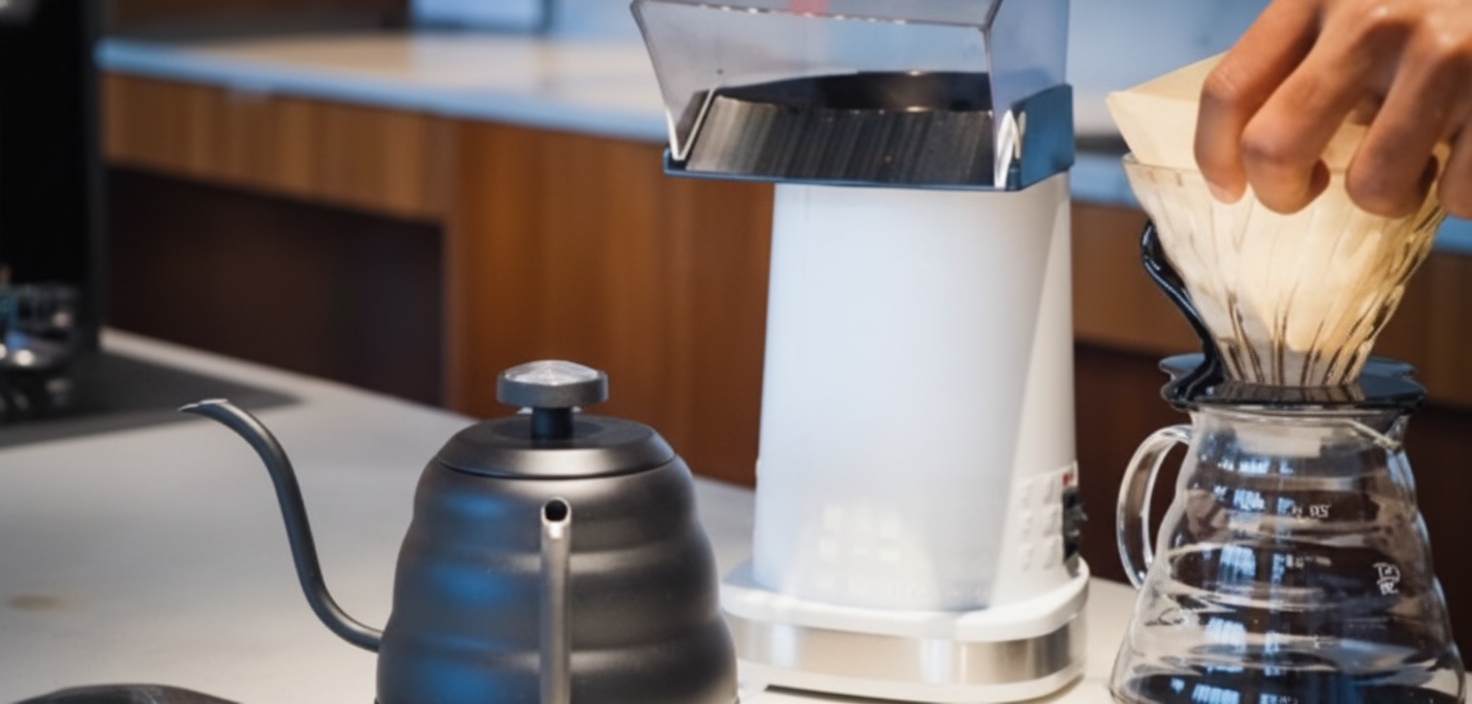
For many coffee enthusiasts, roasting coffee at home with a popcorn popper is an affordable and creative way to begin the journey into home roasting. Air popcorn poppers work using hot air that circulates around the chamber, a method similar to fluid-bed coffee roasting, which heats beans quickly and evenly. Because of this design, the popper can roast green coffee beans in as little as 5–12 minutes, allowing beginners to witness the roasting process—from the drying phase to the famous “first crack.”
One of the biggest advantages of the popcorn popper method is accessibility. Popcorn machines are inexpensive and widely available, making them an ideal starting point for people curious about roasting their own beans. They are also simple to use and suitable for small experimental batches, usually around 3–4 ounces of green coffee beans. This small capacity allows home roasters to test different bean varieties and roast levels without wasting large amounts of coffee.
Another benefit is the fast and hands-on roasting experience. Since the roasting chamber is usually visible, users can watch the beans change color and listen for the cracking sounds that signal different roast levels. The quick airflow also helps cool the beans rapidly once roasting ends, which can reduce bitterness and preserve flavor clarity. For beginners, this interactive process makes popcorn popper roasting a fun and educational way to understand coffee roasting basics.
However, roasting coffee with a popcorn popper also comes with several limitations. These machines are not designed specifically for coffee roasting, so they often provide limited temperature and airflow control, making it difficult to achieve consistent roast profiles. Uneven heat distribution can cause some beans to roast faster than others, leading to a batch where certain beans are dark while others remain underdeveloped.
Another drawback is durability and safety concerns. Continuous roasting exposes the popper to higher temperatures and longer operating times than it was designed for, which can shorten the machine’s lifespan or even void its warranty. Coffee roasting also produces smoke and chaff, so it’s recommended to roast in a well-ventilated space or outdoors to avoid mess and potential overheating.
In the end, roasting coffee with a popcorn popper is a great entry point into the world of home roasting, especially for beginners who want to experiment without investing in expensive equipment. While it may not offer the precision or consistency of a dedicated coffee roaster, it provides an inexpensive and practical way to learn roasting fundamentals and enjoy freshly roasted coffee at home. As skills develop, many hobbyists eventually upgrade to specialized roasters—but the popcorn popper remains a classic starting tool for countless coffee lovers.