

How coffee can make you sleepy
 By
By
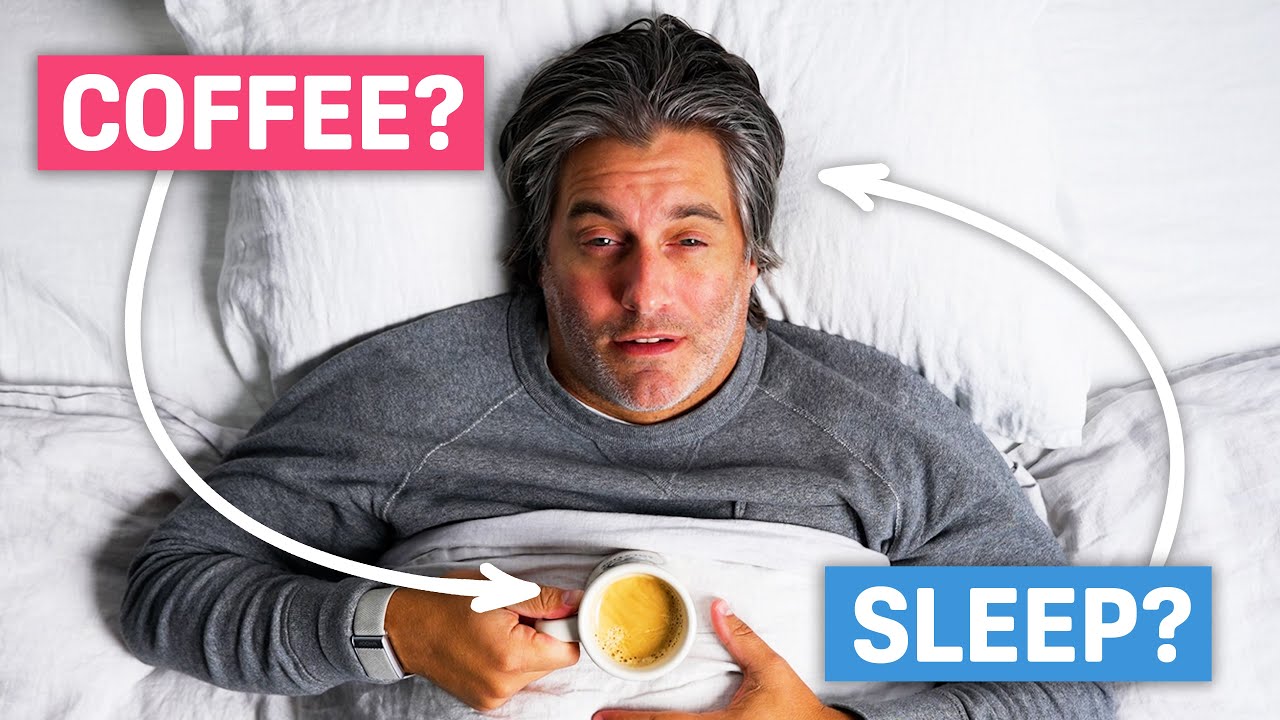
If you're reading this blog, there's a good chance you love coffee as much as we do here at Lola Savannah. However, many of us have still experienced that tired feeling that can come through in the afternoon. Some of us even reach for the second or third cup of coffee, but sometimes that's not the best answer. In our blog today, we discuss why our morning brew can make us feel groggy and some options to help combat this feeling and help improve our overall health.
Sleep is vital to our health and our brain function. When you sleep, your body's lymphatic system clears waste from the central nervous system and removes toxic byproducts from your brain, which build up throughout the day. But how does coffee interact with our brain and sleepiness? From a recent New York Times article, you can think of sleep as the gradual tipping of a scale. It all begins the moment you wake up, and then throughout the day, a chemical called adenosine builds up in the brain. The more of this chemical, the sleepier you feel. Come bedtime, this chemical has built up and puts you to sleep. The growing amount of adenosine is also known as "sleep pressure."
When we consume caffeine, it prevents the adenosine chemical from binding to receptors in the brain. So as the caffeine builds up in your brain, you don't feel yourself growing more and more tired. While this may sound great at the moment, the problem is, at the end of the day, when your brain should feel tired and ready for sleep, your mid-afternoon coffee could be disrupting your sleep patterns. This is because your brain "thinks" you've been awake for only six or seven hours, and that can make it difficult to fall asleep or to get the adequate sleep you need each night, making you feel more tired the next day.
Every five hours, the amount of caffeine in your system is reduced by half. So if you have a cup of coffee at six in the morning, by 11 am, you only have half of the caffeine you consumed in your body, and then half of that by 4 pm. As the caffeine wears off, you begin to feel the sleep pressure that's been accumulating throughout the day, which is why to say, mid-afternoon, you might feel a bit sluggish and sleepy. The same New York Times article by Wudan Yan explains that if you're not sleeping well and hit that afternoon crash, another cup of coffee is creating the perfect storm for feeling more tired. The extra caffeine we consume will negatively impact our sleep, making us feel more tired in the morning, leading to more caffeine consumption.
So how do we blend our love for coffee and our need for deep sleep? Here are a few helpful tips.
One is following a general rule of how much caffeine you should consume every day. Healthline suggests 400 mg per day, or around 2-4 cups of 8 oz coffee, depending on how strong a brew you prefer.
Also, consider how late in the day you consume caffeine. If you drink your caffeine earlier in the day and do away with the afternoon serving, you'll allow your body more time to process the caffeine, which will help you get better sleep.
Another option is being mindful of consumption. If you've grown accustomed to coffee in the morning, and then pick up an energy drink on the way to the office, or maybe a pre-workout caffeinated drink before you hit the gym, chances are that you're consuming more than 400 mg of caffeine each day. If you feel you're consuming too much caffeine, reduce your overall intake gradually. Going cold turkey can cause headaches and other side effects. If you usually have a third cup of coffee around 11 am, try not drinking caffeine after 10 am to help reduce your overall consumption.
Another option is making the switch to decaf or half-caf. Half-caf is when you mix decaffeinated coffee beans with regular coffee beans to decrease the amount of caffeine in your coffee. This way, you're still getting your morning coffee but with less caffeine. Again, you can start by measuring your coffee by gram and slowly adjusting the caff/decaf beans ratio to find your sweet spot. Lucky for you, all of our signature flavors come in decaf, so you'll never have to miss out on your favorite cup of coffee.
Try to get a whole night's sleep. Although everybody is slightly different, the National Sleep Foundation guidelines advise that healthy adults need between 7 and 9 hours of sleep each night. (PS: If you're able to achieve that, please let us know how you do it!)
Of course, caffeine isn't the only culprit in disrupting sleep patterns, so if you're still having a hard time getting the amount of rest you need, alcohol and blue light (common on our phones and computers screens) are also associated with sleeplessness, so try to minimize late-night screen time. The goal is a good night's rest that will help put your mind at ease and allow you to enjoy your morning coffee rituals without the afternoon crash.
We believe coffee is one of those simple pleasures in life that can add value to your day as well as your taste buds! And by being conscious of how and when you consume caffeine, you can maximize the benefits of coffee to suit your lifestyle needs. So whether you decide to try some of our decaffeinated blends or stick with your tried and true favorite SunriseCoffeeLA caffeinated coffee blend, we've got you covered!