

Coffee Processing Guide: Fermentation & Experimental Processes
 By
By
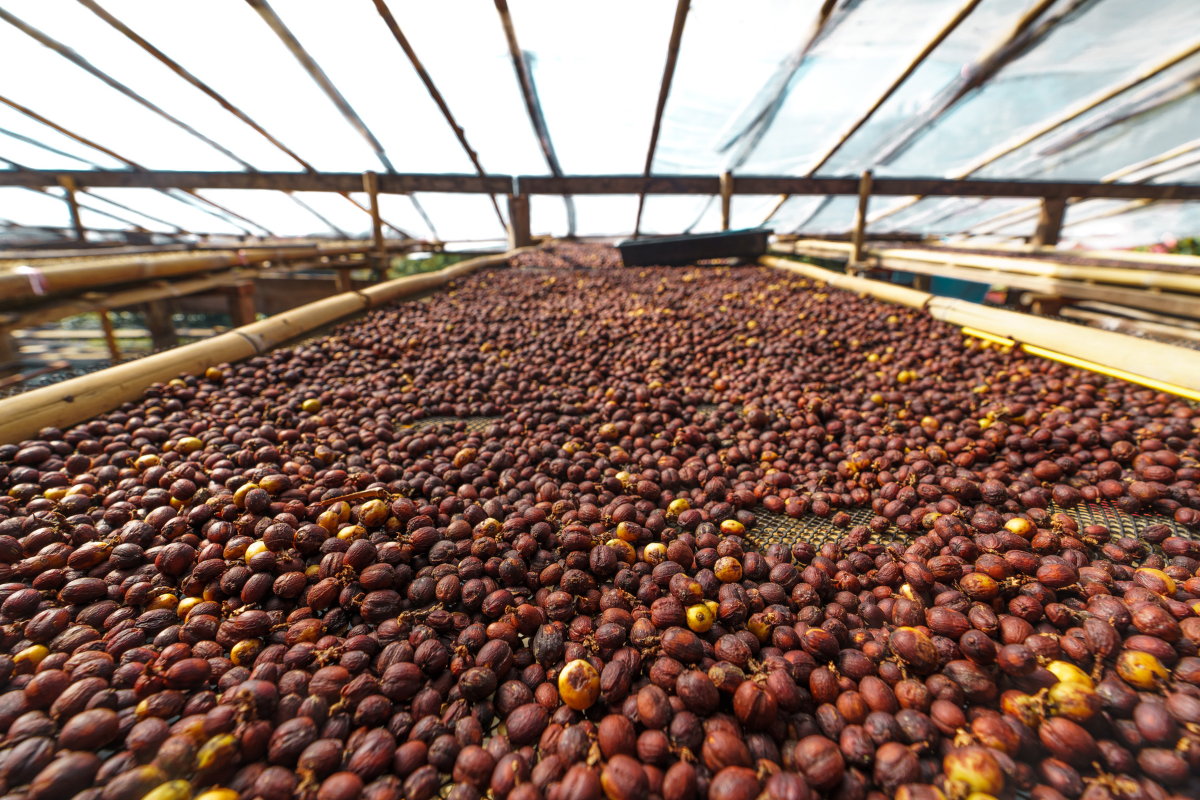
Coffee processing is a critical stage that shapes the flavor of coffee long before roasting or brewing begins. After coffee cherries are harvested, producers must remove the fruit and dry the beans, often using fermentation to break down the sticky mucilage layer around the seed. During fermentation, microorganisms such as yeasts and bacteria interact with the sugars in the coffee fruit, producing organic acids and aromatic compounds that influence the coffee’s flavor, aroma, and body. This microbial activity helps create the chemical precursors that later develop into complex taste profiles during roasting.
Traditional Fermentation in Coffee Processing
Traditional fermentation typically occurs in water tanks or open containers after the coffee cherries are pulped. This stage allows natural microbes to break down the remaining fruit material around the beans. Properly controlled fermentation can enhance sweetness, acidity, and clarity in the cup, while excessive fermentation may lead to undesirable flavors such as sour or vinegary notes. The balance of temperature, time, and microbial activity is therefore essential to achieving high-quality coffee.
Anaerobic Fermentation: A New Approach
One of the most innovative methods in modern coffee processing is anaerobic fermentation, where coffee cherries or beans ferment in sealed tanks without oxygen. By carefully controlling temperature, pressure, and fermentation time, producers can influence the formation of flavor compounds. Coffees processed this way often display bold sensory characteristics such as tropical fruit, berry, and wine-like notes, along with enhanced sweetness and a heavier body. However, if fermentation is not managed carefully, it can also produce overly alcoholic or unpleasant flavors.
Carbonic Maceration and Advanced Experimental Methods
Another experimental method gaining popularity is carbonic maceration, inspired by winemaking. In this technique, whole coffee cherries are placed in sealed tanks filled with carbon dioxide, causing fermentation to occur inside the intact fruit. This process often creates highly aromatic coffees with intense fruity flavors, floral notes, and silky textures. Some producers also experiment with techniques such as yeast inoculation, thermal shock fermentation, and multi-stage fermentation to further control microbial activity and produce distinctive flavor profiles.
How Experimental Processing Changes Coffee Flavor
Experimental fermentation methods dramatically expand the range of flavors possible in coffee. These techniques can enhance perceived sweetness, increase aromatic complexity, and produce unusual notes such as tropical fruit, candy-like sweetness, spices, or wine-like acidity. Scientific studies show that different processing techniques significantly alter the bioactive compounds and volatile aromas in coffee beans, meaning the same coffee variety from the same farm can taste completely different depending on how it is processed.
The Future of Coffee Processing
As specialty coffee continues to evolve, fermentation and experimental processing are becoming powerful tools for innovation. By controlling microbial activity and fermentation environments, producers can create unique flavor experiences that highlight creativity and terroir. While traditional methods remain essential for consistent quality, experimental processing is pushing the boundaries of what coffee can taste like—offering coffee enthusiasts exciting new flavors to explore in every cup.